I used to think healthy people were grinding harder than everyone else.
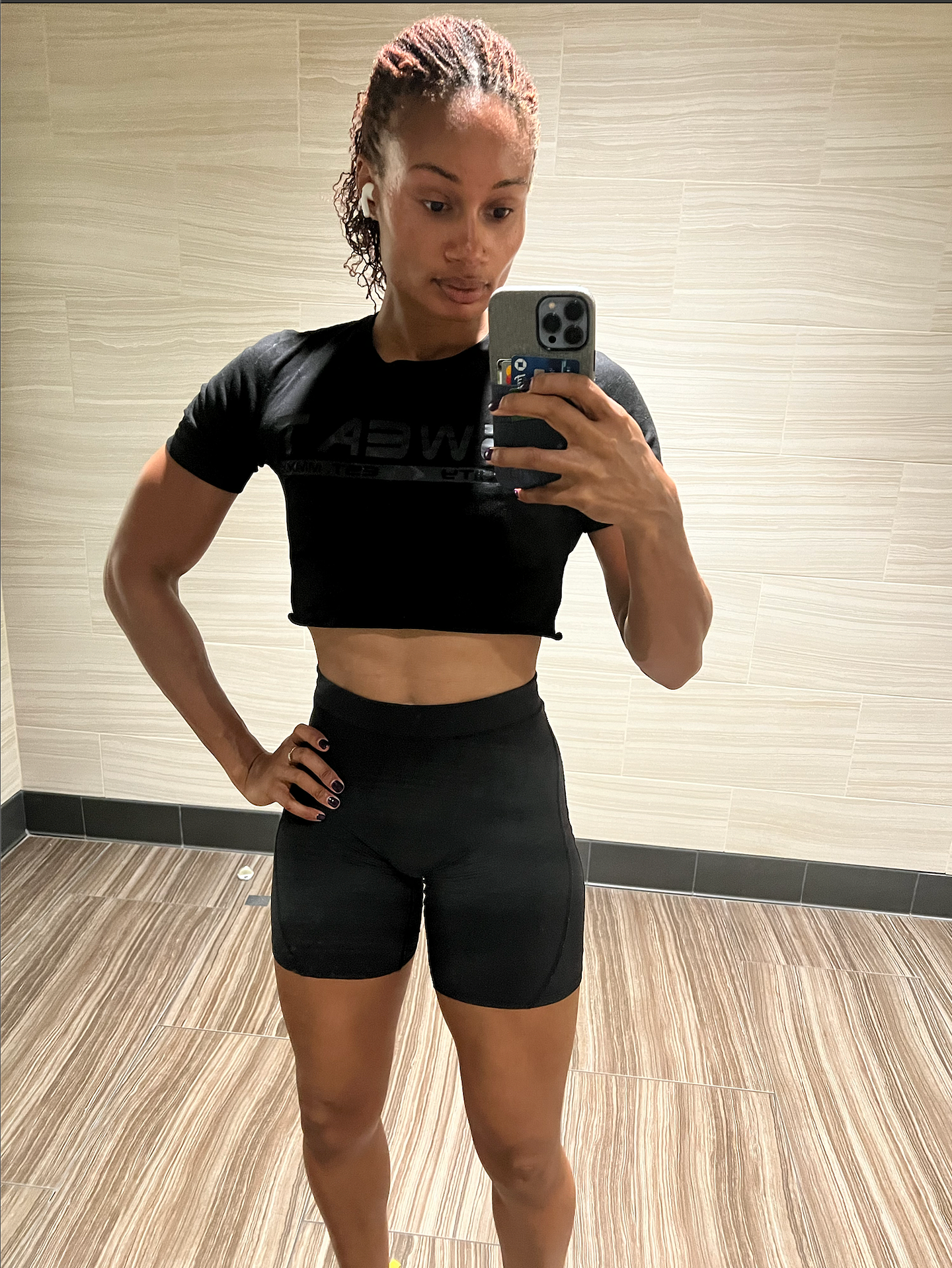
Two-hour gym sessions. Strict meal plans. Supplements lined up on the counter. A level of discipline that bordered on obsession.
Think….not.
I started paying attention to the people in my life who were actually healthy — not for a summer, but for decades. The ones in their 50s, 60s, and 70s who still looked and felt great.
Their routines were almost disappointing.
No elaborate protocols. No extreme anything. Just simple habits executed so consistently they’d become invisible.
Here’s what they actually do.
They Work Out Less Than You’d Expect
The healthiest people I know don’t spend hours in the gym.
One guy — 67, lean, strong, moves like he’s 45 — works out for about 20 minutes a day. Bodyweight exercises in his living room. Some light dumbbells. That’s it.
A woman in her early 70s who looks a decade younger told me her entire fitness routine: “I walk every morning for 30 minutes and do 10 minutes of stretching. And sauna. I’ve done it for 25 years.”
No personal trainer. No complicated program. No fitness tracker analyzing her every move.
Oh, another thing many of the older ladies do? Swimming and boy does it keep their bodies tight, nimble, beautiful, and strong.
I used to think these people were lying or leaving something out. They weren’t. Their secret was that there was no secret. They just did a little bit every single day and let time do the work.
The research supports this.
Studies show that 15–20 minutes of daily moderate exercise is enough to dramatically reduce mortality and disease risk. More helps, but the gap between nothing and something is where the biggest gains live.
The healthiest people figured this out. They stopped trying to optimize and started trying to sustain.
They Eat Simpler Than You’d Expect
I expected elaborate meal prep. Macros tracked to the gram. Foods weighed on digital scales.
What I found was almost boring.
“I eat the same breakfast every day,” a 69-year-old told me. “Eggs and vegetables. I’ve done it for 20 years. I don’t think about it.”
Another guy in his 70s: “I eat real food. Meat, fish, vegetables, fruit. I cook at home most nights. Nothing complicated. No special diet. I just don’t eat garbage.”
Some other feedback I got for diet focused on eating the mediterranean or paleo way.
The healthiest people I know don’t follow trending diets. They’re not keto or carnivore or vegan. They just eat mostly whole foods, don’t overeat, and stay consistent. Processed foods are limited.
They’re not restrictive either. They have dessert. They drink wine. They enjoy meals out. They just don’t make junk food the default.
“I’m not strict,” one woman told me. “I’m just consistent. 80% of what I eat is simple, real food. The other 20%, I don’t worry about.”
No willpower battles. No constant decision-making. Just a simple baseline they’ve maintained for decades.
They Prioritize Sleep Like It’s Their Job
This one stood out.
Every healthy older person I know treats sleep as non-negotiable. Not optional. Not something to sacrifice for productivity. The foundation everything else depends on.
“I’m in bed by 10, awake by 6,” a 71-year-old told me. “Every night. For 30 years. People think that’s boring. I think it’s why I’m still healthy.”
A 68-year-old woman: “I used to stay up late trying to get more done. Now I realize sleep was the thing getting done. Everything else got worse when I didn’t sleep.”
They don’t view eight hours as a luxury. They view it as a minimum. They protect it. They plan around it. They turn down things that would compromise it.
The research is clear: sleep is when your body repairs itself. Chronic sleep deprivation is linked to nearly every major disease. The healthiest people I know internalized this and stopped treating rest as weakness.
They Walk Constantly
Not as exercise. As transportation. As thinking time. As a default state.
My goal is to get in 2–4 micro walks per day. Some with the dogs. Some alone, some with others.
The healthiest people I know don’t sit much. They’re always moving in small ways.
“I walk to get coffee. I walk to run errands. I walk after dinner. I take phone calls while walking,” a 70-year-old told me. “I probably walk two hours a day, but it’s never ‘exercise.’ It’s just how I move through life.”
When I’m in other countries, I walk as much as possible and try to stay in places where I can walk around to keep me moving.
Another guy tracks his steps out of curiosity — he averages 10,000–12,000 daily without ever doing a formal workout beyond his 20-minute morning routine.
They don’t think of walking as something you schedule. It’s something you do instead of sitting. The default is movement.
This might be the most underrated habit I observed. The healthiest people aren’t necessarily doing intense workouts. They’re just not sedentary. They move all day in small doses that add up to something massive.
They Manage Stress Instead of Ignoring It
This surprised me.
I expected the healthiest people to have stress-free lives. What I found was the opposite — many of them had demanding careers, families, real and catastrophic problems.
The difference was they had strategies.
“I meditate for 10 minutes every morning,” a 69-year-old told me. “I’ve done it for 15 years. It’s not magic. It just gives me a reset before the day starts.”
David Goggins meditates two hours before he goes to sleep each day. Pure beast mode.
Others mentioned journaling, time in nature, hobbies that had nothing to do with work, boundaries around their time, regular therapy.
I choose to live near mountains because they consistently increase my peace. Sometimes I’ll even go outside at night, sit on the ground and just stare at the stars to remind me to stay present.
“I used to let stress accumulate until I exploded,” one 72-year-old said. “Now I have release valves. Small things I do every day to keep the pressure from building.”
Chronic stress destroys health. Inflammation, heart disease, cognitive decline — all linked to prolonged stress. The healthiest people took this seriously. They didn’t eliminate stress. They built systems to process it.
They Don’t Obsess Over Health
This is the part that might annoy you.
The healthiest people I know don’t spend much time thinking about health. They don’t read every new study. They don’t follow health influencers. They don’t optimize endlessly.
They figured out what works and they do it. Then they forget about it and live their lives.
“I don’t have a health routine,” a 70-year-old told me. “I have habits. They run on autopilot. I spend almost no mental energy on them.”
This is the real secret. They’ve made the basics so automatic that health maintenance requires almost no willpower or attention. Sleep, movement, real food, stress management — all on autopilot.
They’re not grinding. They’re not suffering. They’re just consistent in ways that have become effortless.
The Actual Routine
When I pressed people for specifics, here’s what the composite routine looked like:
Morning:
- Wake up naturally (7–8 hours of sleep)
- 10–20 minutes of movement (stretching, bodyweight exercises, or a walk)
- Simple breakfast (usually the same thing daily)
Throughout the day:
- Walk instead of sit when possible
- Eat real food, mostly home-cooked
- Take breaks to move
- One stress-relief practice (meditation, journaling, hobby)
Evening:
- Dinner at home most nights
- Wind down without screens
- In bed early, same time every night
That’s it. No two-hour gym sessions. No complicated meal plans. No obsessive tracking.
Just simple habits, repeated daily, for decades.
Why This Matters
You’ve been told health requires more. More effort. More discipline. More complexity.
The healthiest people I know prove otherwise.
They do less than you’d expect — but they do it every single day, year after year, until the compound effect makes them outliers.
The gym rat who burns out after six months will never beat the person who walks daily for 30 years. The dieter who white-knuckles through a strict protocol will never beat the person who just eats real food consistently.
Simple and sustainable beats complex and intense. Every time.
The healthiest people figured this out. Now you know too.
The question is whether you’ll overcomplicate it or just start.
Today’s FL10 Minute Workout: Slack Message Shoulders
Location: Home Office (Anywhere)
Zone: Upper Body
Each Exercise: 2 Minutes
- Pike Push-Ups
- Shoulder Circles
- Y-Raises
- Plank Shoulder Taps
- Arm Circles
Total Time: 10 Minutes
Get FL10 minute workouts you can do anywhere in my free newsletter.
We got some fun 10 minute workouts: (e.g. Signing The Divorce Papers, Slack Message Shoulders, Middle Seat Misery, Airport Abs, Bus Stop Tuesday, Narcissistic Shoulders, etc)
—
This content is for informational and educational purposes only. It is not medical advice and is not a substitute for professional care. Always listen to your body and consult a qualified healthcare professional before making changes to your diet, exercise routine, or health practices — especially if you have existing conditions or injuries.