They looked 20 years younger than their age. They weren’t on steroids.
And their advice was so simple it made everything else I’ve ever read about fitness sound like a scam.
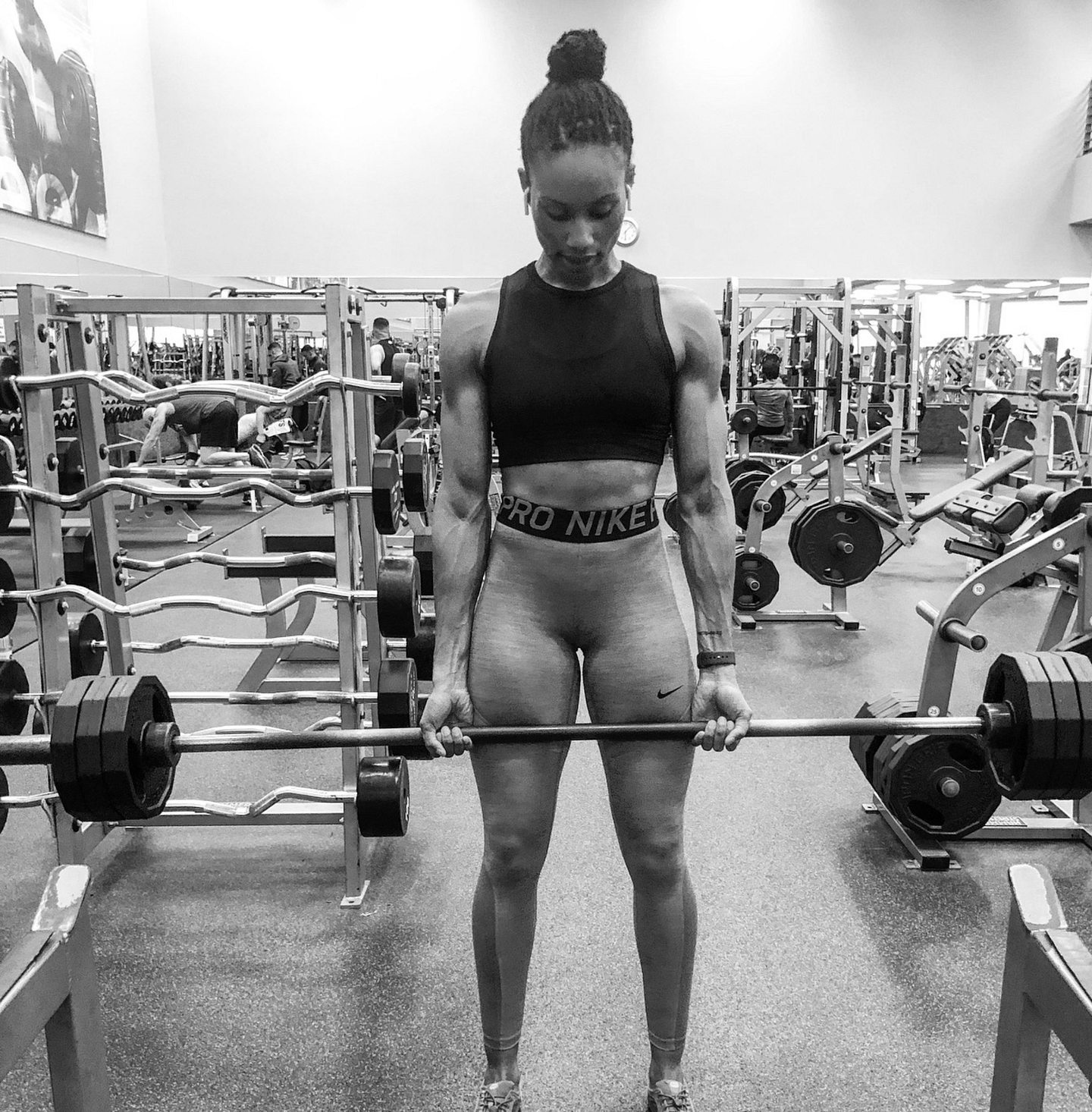
One of the best things about spending serious time in a gym — not visiting it, not passing through, but living in it for over two decades — is the conversations.
Not the ones with the kid in the stringer tank asking what pre-workout you take. Not the ones with the person who just started in January and wants to know your “split.”
The real ones. The ones with people who’ve been doing this longer than most gym members have been alive.
I had two of those conversations back to back. A 73-year-old woman. A 63-year-old man.
Both natural — no steroids, no TRT, no pharmaceutical shortcuts. Both carrying muscle that would embarrass most 35-year-olds. Both looking somewhere between 15 and 20 years younger than the number on their driver’s license.
I was so impressed I did what I always do: I interviewed them on the spot.
Drilled them with questions like I was conducting a deposition.
They probably regret walking within ten feet of me.
But what they told me — separately, without knowing each other — was almost identical.
Like they’d been reading from the same manual that nobody published because it’s too boring to sell.
Here are the seven things they said.
None of them are exciting.
All of them work.
1. Carbs Are Sugar. Stop Pretending Otherwise.
I asked both of them about nutrition. The 73-year-old woman answered first, and she didn’t mince words.
“Carbs are sugar. That’s it. I don’t care what the package says.”
The 63-year-old man said essentially the same thing in different words. He keeps carbs minimal. Has for decades. Doesn’t debate “good carbs” versus “bad carbs” because, as he put it, his body doesn’t read nutrition labels — it just processes glucose.
This tracks with everything I’ve experienced personally.
My lifestyle is extremely active, but I don’t load carbs into my meals unless I’m deliberately deviating or trying to gain weight. Even then, protein and fats dominate.
The carbs I consume in small amounts: oats, rice, apples, Rx bars, sweet potatoes. That’s the list. Everything else is protein and healthy fats.
Side note: Whenever I get pizza, it’s always thin crust.
Most people eat two to three times the carbs their body needs and then wonder why they can’t lean out, why their energy crashes every afternoon, and why they’re hungry again 90 minutes after a meal.
The answer is on their plate. They just don’t want to hear it.
2. Muscle Is the Cheapest Anti-Aging Drug on Earth
This one isn’t opinion. It’s biology, and these two are walking proof.
Starting around age 30, your body begins losing muscle mass every year. By 50, the decline is significant.
By 70, most people have lost enough muscle that it affects their mobility, their metabolism, their independence, and their ability to recover from a fall.
These two haven’t lost it. They’ve maintained it — through decades of consistent resistance training. And the result is visible from across the gym.
They don’t look “good for their age.” They look good, period. The kind of physique that makes you do a double take and recalculate your assumptions.
Muscle keeps your metabolism burning. It keeps your bones protected. It keeps your mind sharp. It keeps you looking like you belong in a decade you’ve already passed through.
Want to slow down aging?
Forget the creams. Forget the injections. Put on more muscle. It’s the cheapest form of plastic surgery that exists, and the results last as long as you do.
3. You’re Already Disciplined. You Just Aren’t Using It Here.
The 63-year-old man said something that should make every person reading this uncomfortable:
“Everybody tells me they’re not disciplined enough to work out. Then I ask them if they go to work every day. They say yes. So I say — you’re disciplined. You just don’t use it on yourself.”
He’s right. And the more I thought about it, the more it stung.
Most people are disciplined at multiple things and don’t even realize it:
Going to work five days a week — that’s discipline. Finishing high school — that’s discipline. Getting through college — that’s discipline.
If you’ve done any of these things, you already have the capacity. You’ve proven it. Repeatedly. Over years.
You just haven’t pointed it at your health. That’s not a willpower deficit — it’s an allocation failure. And the only person who can fix the allocation is you.
4. Study Sleep, Fitness, and Nutrition Like Your Life Depends on It
Both of them said some version of this: most people don’t know enough about how their own body works.
Not “they haven’t read enough articles.” Not “they need a better app.” They haven’t studied the three areas that determine everything:
1. Sleep →Not “I know sleep is important.” Actually understanding how sleep affects recovery, hormone regulation, appetite, mental clarity, and decision-making. Treating it like a skill to master, not a reward for finishing your day.
2. Fitness → Not just going to the gym. Understanding why resistance training matters. Understanding progressive overload. Understanding why consistency over decades produces results that intensity over months never will.
3. Nutrition → Not following trends. Understanding what food does inside your body. Knowing why protein matters more as you age. Knowing why 50% clean eating produces nothing while 80–90% produces everything.
These three areas aren’t optional electives. They’re the core curriculum of a body that works well for a long time. Master them or negotiate with the consequences of not mastering them. Those are the only two options.
5. Commitment Doesn’t Ask How You Feel
A woman at the gym asked me today how I stay motivated to keep coming.
My answer: I don’t.
I’m not motivated most days. I don’t feel a spark of inspiration before I train. Nobody is playing a highlight reel in my head on the drive to the gym.
I just go.
I think about a line from Bob Proctor’s Change Your Paradigm constantly:
“When you’re interested in something, you’ll do it when it’s convenient. When you’re committed, you’ll do it regardless.”
I work out when I feel like it. I work out when I don’t feel like it. I work out when it’s convenient. I work out when it’s the last thing I want to do and the schedule says there’s no room and my body says please just sit down.
I go anyway. And the results speak for themselves.
The 73-year-old woman and the 63-year-old man have been doing this for decades. Not on and off. Not “when they can.” For decades. Through every season, every life change, every excuse that would have stopped most people permanently.
Are you committed to staying physically active? Because working out here and there isn’t going to cut it.
Inconsistency is the death of progress. That’s not motivational language. That’s a fact you’ll prove to yourself one way or the other.
6. Eat Clean Most of the Time — Not All of the Time
Both of them deviate from their diets. Both of them said so openly, without guilt.
One eats about 90% clean. The other eats about 60–70% clean. Neither of them eats 100% clean because they’re human beings, not machines.
But here’s the threshold they both agreed on without knowing the other had said it: if you’re eating clean about 50% of the time, you won’t see results. Period. The math doesn’t work. Five days of discipline cannot overcome two days of damage when the damage is significant enough.
Clean eating has to dominate.
It has to be the default — the thing you do automatically, without thinking, most of the time. The deviation has to be the exception, not the other way around.
Are you committed to eating primarily clean?
Because eating clean here and there isn’t going to cut it.
Inconsistency is the death of progress.
7. Eliminate What Has No Business Being in Your Body
I don’t consume alcohol. I don’t drink soda. I avoid consistently consuming overly processed foods. And I keep sugar to a minimum — there are stretches where I go months without it because, honestly, it offers zero benefit.
Zero. Not “small benefit.” Not “it’s fine in moderation.” Zero.
Alcohol disrupts sleep, drives inflammation, and impairs recovery. Soda is liquid sugar with no nutritional purpose. Processed food is engineered to make you eat past fullness. Excessive sugar fuels inflammation throughout your body without contributing a single thing your body actually needs.
These aren’t moderation items. These are substances that do nothing for you and measurable harm to you. Eliminating them isn’t extreme. Keeping them and wondering why you don’t feel well — that’s extreme.
Prioritize eating clean and eating the right amount. Do that and you’ll maintain more muscle, a leaner physique, and better health than most people half your age.
Here’s What Nobody Wants to Admit
Maintaining good health doesn’t have to be hard.
It’s actually straightforward. You just have to be consistent — the same way most people are already consistent at watching television, going to work, scrolling their phones, eating out, shopping, socializing, and doing the hundred other things they show up for daily without needing a motivational speech first.
Apply that same consistency — not more, not superhuman, the same — to your health, and you’ll be where you want to be. That’s not a promise. That’s math. Consistency plus time equals results. Every time. Without exception.
A 73-year-old woman and a 63-year-old man are proof. They don’t have a secret. They have decades of boring, non-negotiable consistency applied to a handful of simple habits.
If they can do it for 40 years, you can do it for the next 12 months.
The only question is whether you’ll start — or whether you’ll keep telling yourself the same story about why you can’t.
They already answered that question. Now it’s your turn.
Today’s FL10 Minute Workout: Bus Stop Tuesday
10 min · Standing only · No equipment · 2 min each
- Calf Raises — Heels up, squeeze at the top, slow on the way down. Nobody notices.
- Standing Knee Drives — Drive one knee up to your chest. Alternate. Stay tall.
- Walk in Place — Fast. Knees high. Like you’re going somewhere even though you’re not.
- Standing Side Leg Raises — Lift one leg out to the side. Slow. Controlled. Switch.
- Wall Lean Hold — Back against the bus shelter wall. Slide halfway down. Hold.
This content is for informational and educational purposes only. It is not medical advice and is not a substitute for professional care. Always listen to your body and consult a qualified healthcare professional before making changes to your diet, exercise routine, or health practices — especially if you have existing conditions or injuries.